What Baboons Teach Us About Leadership
|
Hi Reader, Welcome to our leadership newsletter! You're now part of a select group receiving some of our most potent insights on leadership and running teams. Let’s dive into our first lesson. What Baboons Teach Us About Leadership
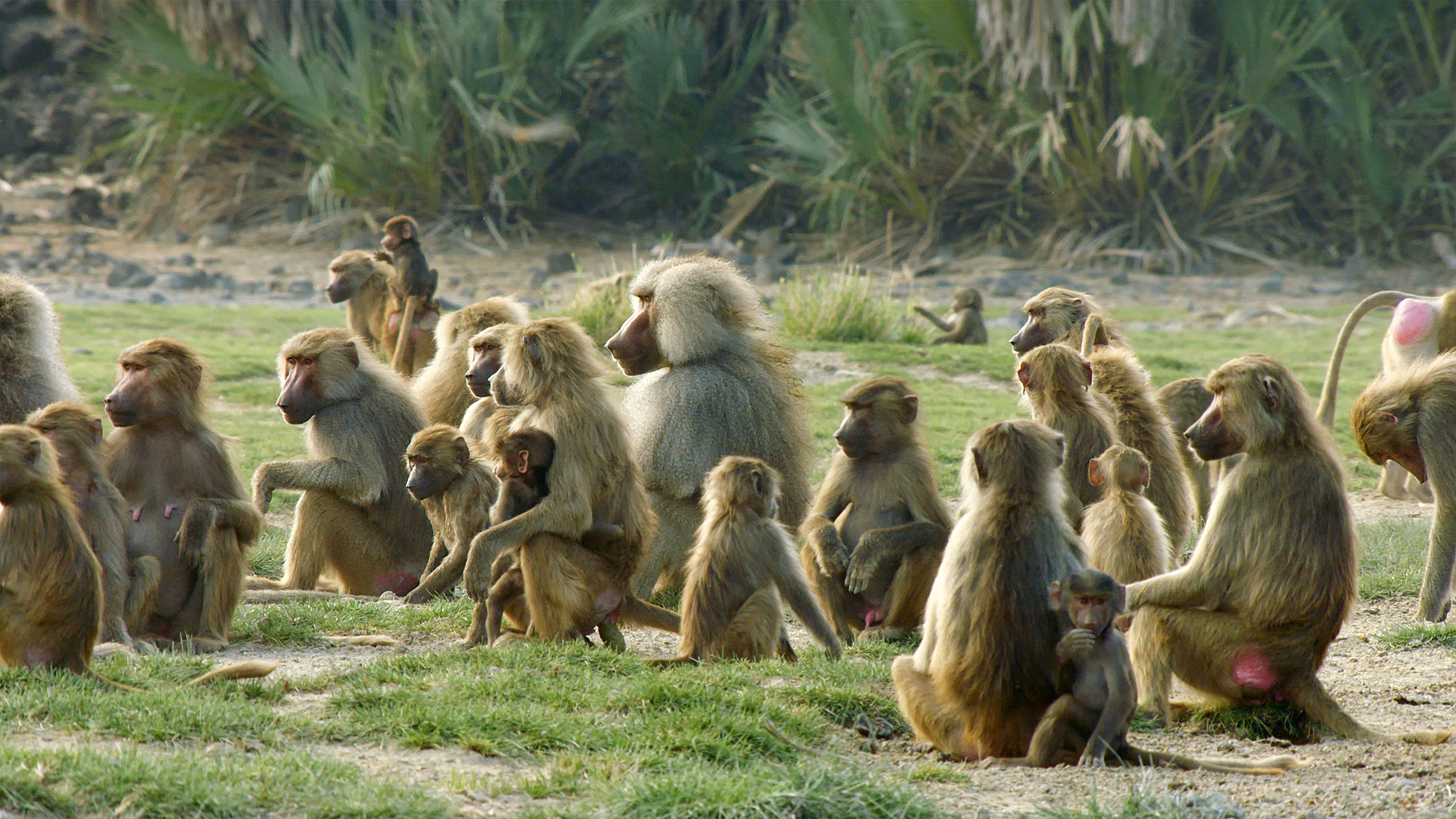
A few years ago, I came across a fascinating study. Researchers in Kenya fitted 25 members of a wild baboon troop with GPS collars, tracking their every movement for 14 days. Every morning, the troop needed to decide — where are we going to search for food? The results were unexpected. Social rank had no bearing on who made major decisions. The baboons followed whichever one of their troop was walking with conviction — with the straightest line and the most consistent pace. In fact, the researchers found that the lowest status female had as much influence on troop movements as the highest-status males. It wasn’t about position, but conviction. How to Listen to ConvictionAs you read this story, you might be thinking: "Ah, I get it. To be a good leader, I just need more conviction. I must decisively point the way forward." But this is a common trap that many leaders fall into. The reality is: We don't always feel certain. Trying to maintain an illusion of unwavering confidence isn't just exhausting, it's unsustainable. This pressure to "always know the way" leads straight to burnout. The hidden wisdom here is found in what the troop's leaders actually did. Both the dominant male and female were following conviction, no matter who displayed it. This quintessentially redefines leadership, from the person who "decides" to the person who is attuned to the natural flow of the group — the person who understands when to follow and when to intervene. Like a master boatman taking on a huge rapid, they are as much listening to the river and following it as they are pulling on their oars. That’s the true learning from the baboons. When you lead like this, you don’t have to force yourself into conviction — which creates burnout. It also:
Ultimately, this creates an environment where leadership flows naturally to those best positioned in the moment. It's not just more effective; it's more human. Want to go deeper?We’re starting a new invite-only offering called The Council for the AOA community. It’s designed for leaders who want to come together to transform insights like these into real impact for your team. Learn to lead in a way that energizes rather than exhausts – and make it your natural state. Please inquire here or reply directly to this email if you’re interested in being considered by one of the group sponsors.
Joe |
Art of Accomplishment
Hi Reader, A few years ago, I worked with a leadership team at a Series C software company. On paper, they were perfectly aligned. Strategic plans were approved unanimously. Everyone nodded in meetings. Decisions passed without friction. And yet nothing moved. Projects stalled, timelines slipped, and initiatives that everyone had "agreed to" kept getting quietly deprioritized. The CEO was baffled. How could a team that agreed on everything execute on nothing? When we dug in, we found the...
Hi Reader, A few years ago, I worked with the CEO of a fast-growing company. He was deeply committed to his people: Generous with equity, flexible on hours, always available. But his company had a problem. They couldn't kill anything. Every initiative seemed to live forever. Their roadmap was cluttered with half-finished projects. Teams were stretched thin, saying yes to everything and finishing nothing. He kept trying to fix it with reorgs, new prioritization frameworks, or hiring new...
Hi Reader, In our last email, we explored the first pillar: We all want to be part of something exceptional. The desire to contribute, to win together, to be part of something meaningful are all already there in your people. The work is about unlocking that hunger. Let's dive in to the second pillar of fulling leadership: Pillar Two: Where it hurts is where you'll grow We point to this frequently in terms of self-discovery: Your triggers are a gift. They tell you where your unexamined...